
As the story goes – a young girl skips a meal. She starts eating crackers and mints to fulfill her hunger. She runs a few more minutes each day. She weighs herself every day. She is getting thinner by the minute. She sees a doctor because her parents are concerned. She starts eating burgers again. She is healed.
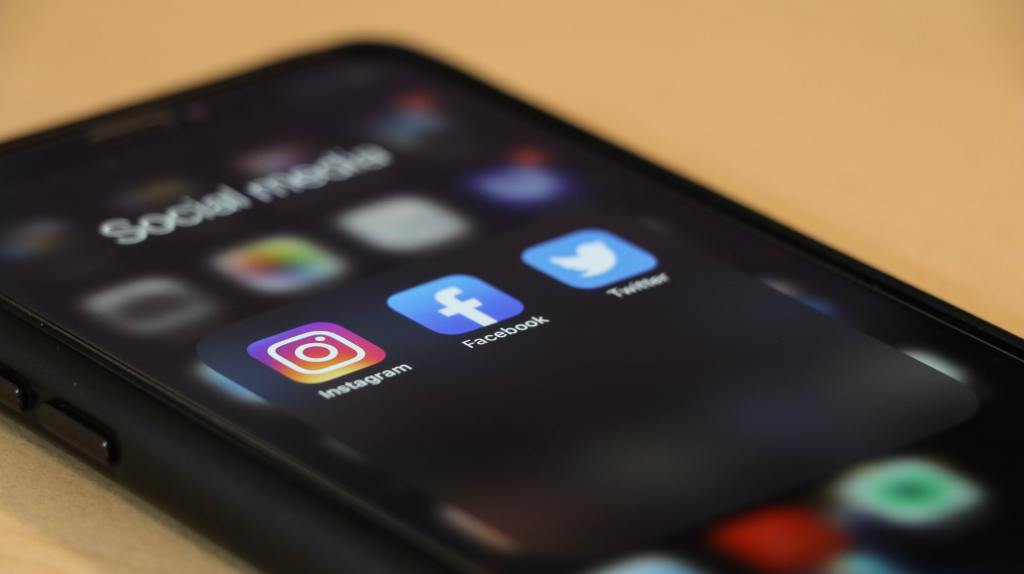
Well, that’s what people assume happens, but it’s only one side of the story. Eating disorders can come in many different forms. All of them are mentally draining and influenced by different factors, but social media is playing an increasingly large part.
Alexa Ross, a licensed Dietician at the Loyola University Chicago Wellness Center, said that social media can enable eating disorder culture depending on how you curate your feeds.
“For instance, with Tik Tok, you have no control on the algorithm,” Ross said. “That can be troublesome for eating disorders, unlike Instagram where you can choose who you follow. There’s just a high emphasis in our current culture of having this ideal body and that’s unhealthy.”
You should follow body-positive people on social media platforms to create a healthier environment online. Some great examples are Ashley Graham, Brittani Lancaster and Clara Guillem. The key is finding someone who makes you feel safe and have better thoughts about that image in the mirror and the food on your plate.
The early signs of an eating disorder can take place within something called “diet culture.” Ads on social media promise to shed those last 10 pounds in a week if you cut all sugar or carbs. Restrictive diets like that can lead to permanent restrictions in our daily lives.
Diet culture can have positive effects. Ross said she notices that diets tend to work for grown-ups rather than the younger generation. She said the reason for this is simple – the younger generation isn’t told by a doctor that they need to lose some weight to not have a heart attack.
Sometimes, you don’t even know you’re doing it. You might think you don’t struggle with food but you feel guilty when you eat too much ice cream or say something like, “Oh, I’ll just run it off tomorrow.” It’s important to note the symptoms of disordered eating and catch it before it’s too late.
“Some of the common symptoms I’ve seen are you’re finding yourself skipping meals- that’s a form of restriction,” Ross said. “You can also be losing weight in large amounts or you are weighing yourself frequently and finding that that weight is influencing how your day goes. Other obvious ones are feeling guilty after eating foods or you’re labeling foods as good or bad.”
The most important thing to know is that you are not alone. In fact, according to the National Association of Anorexia Nervosa and Associated Disorders website, eating disorders affect at least 9% of the worldwide population, and 28.8 million Americans will develop an eating disorder in their lifetime.
It’s important to seek help if you think you have any symptoms because before you know it, it can be too late. Eating disorders are one of the deadliest mental illnesses, with nearly 10,200 deaths each year.
“It started when I was a sophomore in high school,” said an eating disorder victim who asked to remain anonymous. “I didn’t like the number on the scale so I started a diet. Before I knew it, I was skipping breakfast because I was ‘running late for school’ and handing out my school lunches because ‘I had a big breakfast’ and skipping family dinners for the gym.”
You can start small if you want to. Visit a professional dietician at first and see if you need more help from a therapist. Just know it’s okay to ask for help. In fact, asking for help now can save you a lifetime of struggle. Food isn’t meant to be a reward. It’s fuel for the body that carries you every day through this crazy, amazing life.
I am one of the 9%. I skipped meals and ate mints. I ran a few more minutes every day to lose those extra pounds. I saw a doctor. I ate the burger again. I gained my weight back.
But I’m not healed, I just continue my old practices in secret so I won’t get caught because I see the skinny girls on my feed get more likes.
It’s time for change. Time to take my life back. Just like you can, too.
If you or someone you know is struggling with an eating disorder, turn to the NEDA Helpline for support, treatment options, and any resources. On their website, you will find the below phone numbers and other resources. Check their website for hours of service.
CALL: (800) 931-2237
TEXT: (800) 931-2237

 GROW WITH SARAH GRACE
Leave a comment